
Blog
Real Vs. Fake PolkaDot Mushroom Bars: Identification Guide

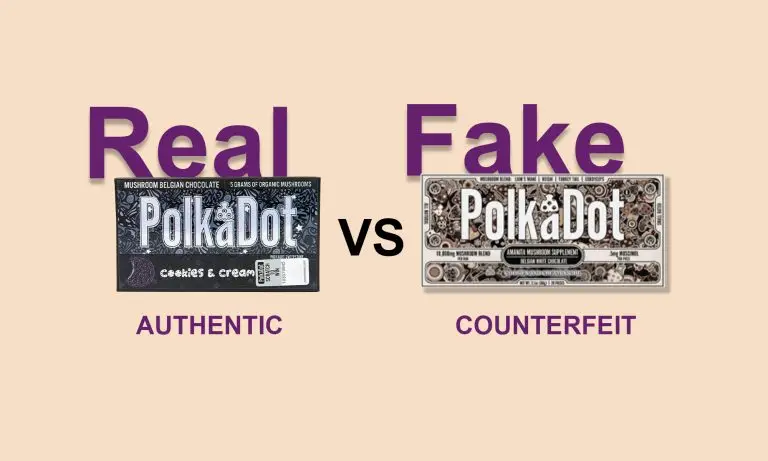
polkadot chocolate bar real vs fake
In the rapidly expanding world of functional confectionery, the original polkadot bar has become a victim of its own success. As of 2026, the market is saturated with fake polkadot bars that often contain unregulated synthetic compounds, research chemicals (like 4-AcO-DMT), or simply high doses of THC instead of the promised proprietary nootropic mushroom blend.
Consuming a counterfeit product isn’t just a letdown; it’s a safety risk. Use this definitive guide to ensure your journey is authentic, safe, and “magically delicious.”
1. The Seal of Authenticity: Scannable Verification
The most reliable way to identify a genuine product is the PolkaDot Verification System.
The Red Flag: If the QR code is printed directly onto the cardboard (not a separate sticker), leads to a broken link, or takes you to a generic “verification passed” page without a unique serial number, it is a fake shroom bar.
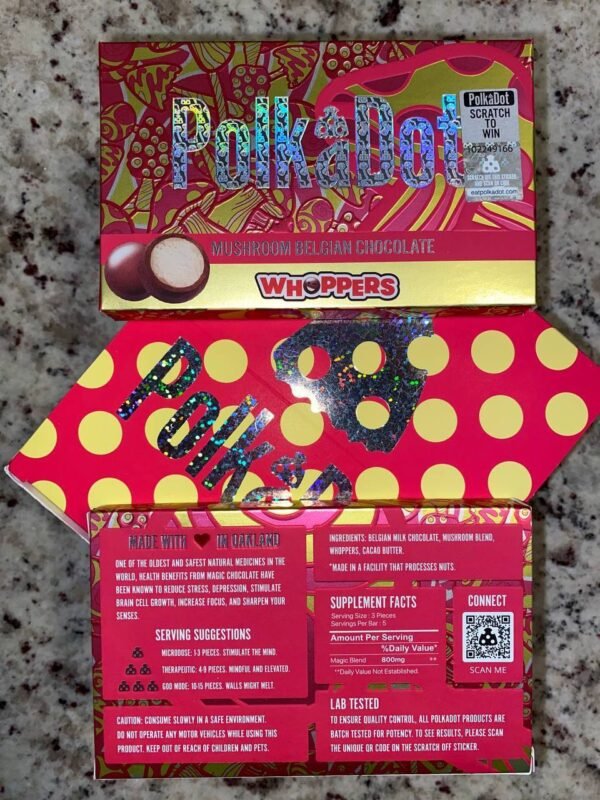
The QR Code: Authentic bars feature a unique, holographic security sticker with a QR code. When scanned, it should lead to the official polkadot chocolate website verification portal.
2. Packaging Precision and Print Quality
Counterfeiters often cut corners on printing. Authentic polkadot packaging is a work of art, designed to be as premium as the chocolate inside.
Ingredient Transparency: A real bar will clearly list its polkadot chocolate ingredients, nutritional facts, and a specific breakdown of the proprietary mushroom extract. Fake bars often omit this or contain generic “Mushroom Magic Blend” text with no actual weight measurements.
Texture & Finish: Real boxes have embossed (raised) lettering and a soft-touch matte finish. Fakes are often glossy, flat, and use low-resolution images that appear blurry under close inspection.
Gemini said
polkadot chocolate bar real vs fake
Consuming a counterfeit product isn’t just a letdown; it’s a safety risk. Use this definitive guide to ensure your journey is authentic, safe, and “magically delicious.”
3. The Chocolate “Snap” and Sensory Test | polkadot chocolate bar real vs fake
The original polkadot uses premium Belgian chocolate. The difference is immediate upon opening the foil.
The Taste: Authentic bars mask the “nutty dirt” taste of mushrooms with high-quality flavor profiles. If it tastes like a dry cannabis edible, it’s a counterfeit.
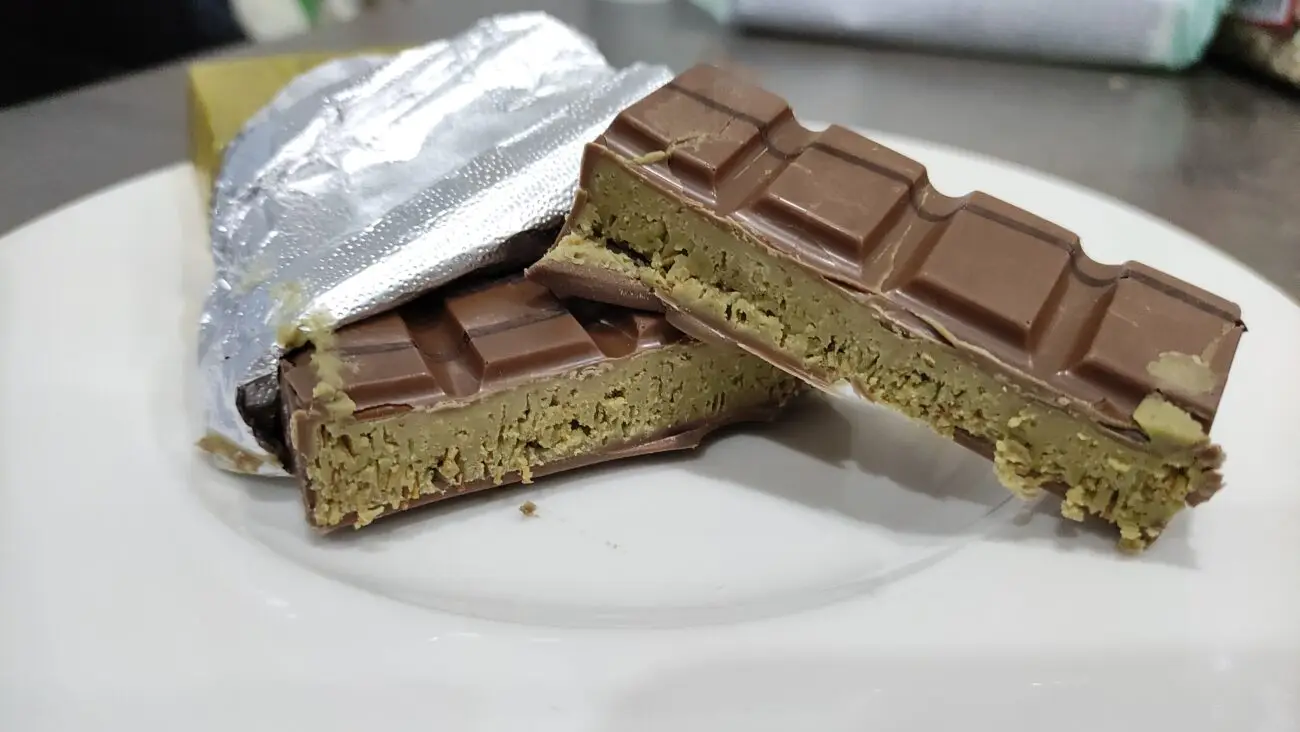
Appearance: Real bars are perfectly tempered, with a glossy sheen and a crisp “snap” when broken. Fake bars often look “bloomed” (white/grey streaks), feel waxy, or melt too easily at room temperature.
The Smell: A genuine bar has a rich, earthy, and natural cocoa aroma. If your bar has a strong chemical smell or a pungent “weed” odor, you likely have a fake shroom product masquerading as a nootropic.
4. Sourcing: Where to Buy vs. Where to Avoid – polkadot chocolate bar real vs fake
Where you buy is just as important as what you buy.
- The Danger Zones: Be extremely wary of “corner smoke shops,” tobacco house outlets, or gas stations. These are the primary hubs for fake shrooms because they rarely verify their suppliers.
- The Safe Route: Always purchase from the official polkadot chocolate shop or verified high-end boutiques in cities like San Francisco, Denver, or San Diego that prioritize lab-tested transparency.
5. Dosage Accuracy and the “God Mode” Grid | polkadot chocolate bar real vs fake
Check the physical mold of the chocolate.
The Weight: Recent seizures of fake polkadot bars found them to be significantly lighter or heavier than the standard 2.1oz (60g) total weight.
The Grid: Authentic bars are divided into precise, uniform squares (usually 15 pieces). The dosage guidelines (1-3 pieces for “Micro,” 10-15 for “God Mode”) should match the weight listed on the box (typically 4 grams).
polkadot chocolate bar real vs fake