

Blog
Mushroom Chocolate Bars: Types, Ingredients, Effects, Safety, and What to Know Before Buying
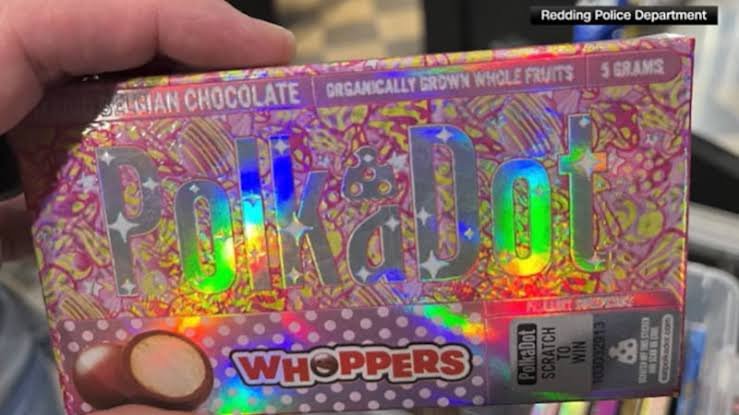
Mushroom chocolate bars have become a popular search topic as chocolate makers, functional-food companies, and psychedelic-product sellers increasingly combine cocoa with different types of mushrooms. However, the phrase covers several very different products. Some mushroom chocolate bars contain culinary or functional mushroom extracts, while others are marketed as magic mushrooms chocolate bars or psychedelic products containing—or claiming to contain—psilocybin or other psychoactive compounds.
That distinction matters.
A chocolate bar that contains lion’s mane is not the same product as a psilocybin mushroom chocolate bar. Likewise, an edible marketed as a mushroom candy bar may contain ingredients that differ substantially from what its packaging suggests.
Therefore, anyone researching mushroom bars, mushroom chocolate bar products, or shroom chocolate bars should begin by identifying exactly what kind of mushroom product they are considering.
The term mushroom chocolate bars also attracts numerous variations in search behavior, including “mushroom chocolate bars,” “chocolate mushroom bars,” “mushroom bars chocolate,” “chocolate bars with mushrooms,” and “mushrooms in chocolate.” These searches may point to functional mushroom foods, gourmet chocolate, or psychoactive edibles.
This guide explains the differences, discusses common ingredients and terminology, examines reported effects, and highlights important safety considerations. It does not provide instructions for preparing, dosing, or using illegal psychedelic drugs.
What Are Mushroom Chocolate Bars?
At their simplest, mushroom chocolate bars combine chocolate with mushroom-derived ingredients. The chocolate provides the familiar taste and texture, while the mushroom component may come from whole mushroom powder, dried mushroom material, or an extract.
However, the type of mushroom determines what the product actually is.
Functional products commonly use mushrooms such as lion’s mane, reishi, cordyceps, or turkey tail. These mushrooms are generally marketed for nutritional or wellness purposes rather than intoxication.
By contrast, magic mushroom chocolates, psychedelic mushroom chocolate bars, and psilocybin mushroom chocolates refer to products marketed around psychoactive mushroom compounds. Psilocybin and psilocin are psychoactive substances associated with psychedelic effects.
That difference makes the label extremely important.
A product described simply as a mushroom bar tells you very little. The same applies to terms such as shroom bar, shroom candy bar, mushroom candy bar, or chocolate shroom bar. You need to know the actual ingredients, manufacturer, and testing information before making assumptions about the contents.
Functional mushroom products
Functional mushroom products generally emphasize non-intoxicating mushroom species or extracts. Manufacturers may incorporate them into chocolate because cocoa can mask earthy mushroom flavors.
This category includes products described as:
- mushroom infused chocolate bars
- chocolate with mushrooms
- mushroom chocolate
- chocolate mushroom
- mushroom chocolate candy
- mushroom candies
- mushroom bar chocolate
- mushrooms chocolate
- chocolate mushrooms
Although these terms sound similar, they do not establish a standardized formulation.
Consequently, consumers should examine the ingredient list instead of relying on product names.
Psychedelic mushroom products
A different category includes products marketed as magic mushroom chocolate bars, psychedelic mushroom chocolate bars, shroom chocolate bars, and psilocybin mushroom chocolate bars.
These products may be marketed as containing psychedelic mushroom material or compounds. Yet labeling can be unreliable, particularly in unregulated markets.
That concern is not theoretical. A CDC investigation published in 2026 identified 180 cases of severe illness across 34 U.S. states associated with Diamond Shruumz and other mushroom-containing chocolate products consumed during January–October 2024. Testing found different psychoactive and other substances in some products, and the agency highlighted variability in ingredient composition and the absence of standardized regulatory oversight for finished products.
As a result, “mushroom” on the front of a package does not automatically mean the contents are predictable.
Types of Mushroom Chocolate and How They Differ
The growing popularity of mushroom chocolate bars has produced an enormous vocabulary around them. Searchers may use “mushroom bars,” “shroom bars,” “magic mushroom candy bars,” or chocolate bar mushrooms interchangeably. From a product perspective, however, these terms can describe very different formulations.
Understanding the major categories makes the market easier to navigate.
Functional mushroom chocolate
Functional mushroom chocolate typically uses non-psychoactive mushroom species. Lion’s mane, reishi, cordyceps, and turkey tail frequently appear in this category.
The mushrooms may appear as powders or extracts. Some manufacturers focus heavily on cocoa quality, while others emphasize the mushroom blend.
The resulting product may be described as a mushroom chocolate bar, mushroom infused chocolate bar, or chocolate bar with mushrooms.
Nevertheless, marketing language should not be confused with medical evidence. A chocolate bar is still a food product, and claims about health benefits deserve careful scrutiny.
Gourmet mushroom chocolate
Some products use mushrooms primarily as a culinary ingredient.
For instance, chocolatiers may experiment with mushroom flavors that complement dark chocolate, nuts, caramel, coffee, or spices. These products may contain culinary mushrooms or mushroom-derived ingredients without attempting to create an intoxicating effect.
This category can include chocolate mushroom bars, mushroom chocolate candy, and other specialty confectionery.
Psychedelic mushroom chocolate
The phrase psychedelic mushroom chocolate bar usually refers to chocolate marketed for psychoactive effects. Related searches include magic mushroom chocolate bar, magic mushroom bars, shroom chocolate bar, shrooms chocolate bar, magic chocolate mushrooms, and psilocybin mushroom chocolate bar.
These products require substantially more caution because the label may not accurately represent the contents.
The CDC’s investigation into mushroom-containing chocolate products found that different samples could contain different substances. Testing of Diamond Shruumz products detected substances including muscimol, psilocin, kavalactones, pregabalin, and acetyl psilocin in various samples.
Therefore, consumers should not assume that two products carrying similar terms will produce the same effects.
Why “shroom” does not tell you enough
“Shroom” is informal language. It can refer to ordinary mushrooms, functional mushroom products, or psychedelic mushrooms depending on context.
For that reason, searches such as shroom bars chocolate, shroom choclate, shroom choclate bar, shroom candy bar, and shrooms candy bar do not identify a specific ingredient.
Likewise, spelling variations such as mushroom choclate, mushroom choclates, mushroom chocholate, choclate mushrooms, and shroom choclate bars are simply search variations. They should not be treated as separate product categories.
Mushroom Chocolate Bars Effects: What Consumers Should Understand
One of the most common searches surrounding this category is mushroom chocolate bars effects. However, there is no single answer because the effects depend entirely on the ingredients.
A chocolate bar containing lion’s mane is fundamentally different from one marketed as containing psilocybin.
Similarly, a product containing Amanita muscaria compounds is different from a product containing psilocybin. The names may appear together online, but the pharmacology and risk profiles are not interchangeable.
Effects of functional mushroom products
Functional mushroom products generally do not aim to create psychedelic effects.
Instead, manufacturers may market mushrooms for general wellness, nutritional value, or other functional purposes. However, consumers should evaluate health claims carefully because evidence varies substantially by mushroom species, extract, preparation, and intended use.
A product’s inclusion of a mushroom ingredient does not automatically prove that it provides a particular health outcome.
Effects of psychedelic mushroom products
Psychedelic mushroom products can cause profound changes in perception, mood, cognition, and sensory experience.
NIDA notes that psilocybin can produce altered perceptions and other psychological effects, while psychedelic substances can also cause anxiety, paranoia, dizziness, increased heart rate, and other adverse reactions.
The edible format introduces another complication: people may not know precisely how much active compound a product contains.
That uncertainty becomes especially concerning when products lack reliable testing.
The CDC reported that larger amounts of Diamond Shruumz chocolate bars were associated with greater likelihood of hospitalization, intensive-care admission, and intubation among reported cases.
Therefore, claims that a product is a “microdose” should not be treated as a guarantee of safety.
Why effects can be unpredictable
Several factors can make mushroom-containing chocolate unpredictable:
- Ingredient variability
- Inconsistent manufacturing
- Different mushroom species
- Different extraction methods
- Undisclosed ingredients
- Inaccurate labeling
- Batch-to-batch differences
The CDC specifically reported variability in substances detected in mushroom-containing chocolate products and emphasized the lack of standardized regulatory oversight for finished products.
Consequently, a product marketed as a magic mushroom chocolate bar should not be evaluated solely by its branding or online reviews.
How to Evaluate Mushroom Chocolate Brands and Product Quality
Searches for mushroom chocolate brands and best mushroom chocolate bar have grown alongside the category itself. Yet “best” depends on what kind of mushroom chocolate you actually want.
For a functional product, ingredient transparency and manufacturing standards may matter most.
For gourmet chocolate, cocoa quality, texture, flavor, and ingredient sourcing become more important.
For products marketed as psychedelic, safety and legal considerations become critical.
Check the ingredient list
The ingredient list should tell you what the manufacturer claims to have included.
Look for the mushroom species, extract type where provided, chocolate ingredients, allergens, sweeteners, and other active ingredients.
Be cautious when the packaging relies heavily on vague phrases such as “proprietary mushroom blend” without providing meaningful information.
A product labeled magic mushroom chocolates may sound specific, but the phrase itself does not establish what compounds are present.
Look for credible testing information
Third-party testing can provide useful information when the laboratory and testing methodology are clearly identified.
However, even a QR code does not automatically make a product safe or authentic. Consumers should be able to determine what was tested, which batch was tested, and what the results actually show.
The Diamond Shruumz investigation illustrates why this matters. FDA testing found different substances across product samples, demonstrating that the contents of a product category marketed as mushroom-based may vary considerably.
Be skeptical of dramatic claims
Marketing terms such as magic mushroom candy bar, magic shroom bars, psychedelic chocolate bars, and magic mushroom candy bars can create expectations that go beyond what the product can reliably deliver.
Similarly, testimonials claiming extraordinary effects do not substitute for laboratory testing.
A responsible review should distinguish between:
- What the manufacturer claims
- What the label says
- What independent testing demonstrates
- What individual users report
Those are four different forms of information.
Understand the difference between “mushroom” and “psilocybin”
This distinction deserves emphasis.
A mushroom chocolate bar does not necessarily contain psilocybin.
A psilocybin mushroom chocolate bar is specifically marketed around psilocybin-containing mushrooms or compounds.
A psychedelic mushroom chocolate bar may use broader language and may not disclose its exact psychoactive ingredients.
Meanwhile, a functional mushroom chocolate bar may contain no psychedelic compounds whatsoever.
Therefore, never infer the contents from the word “mushroom” alone.
Safety, Storage, Legal Considerations, and Common Questions
Safety deserves a prominent place in any discussion of mushroom chocolate bars because chocolate can make psychoactive or otherwise active products look like ordinary candy.
That creates an additional risk: children, pets, or other people may consume them accidentally.
The CDC specifically advised keeping mushroom-containing edibles away from children because they can mistake them for ordinary candy.
Keep mushroom chocolate away from children
Whether a product contains functional mushrooms or psychoactive ingredients, store it according to the manufacturer’s instructions and keep it inaccessible to children.
This is particularly important for products marketed as mushroom candy bars, shroom candy bars, magic mushroom candy bars, or mushroom candy because their appearance may resemble conventional confectionery.
What about storing chocolate?
Chocolate generally benefits from a cool, dry environment away from direct sunlight, moisture, and strong odors.
If the product label provides specific storage instructions, follow those instructions instead.
The search phrase best way to store chocolate chip cookies belongs primarily to conventional baked goods rather than mushroom chocolate. Nevertheless, the broader principle is similar: temperature, humidity, packaging, and exposure to air can affect food quality.
For mushroom-containing products, however, storage is not the only concern. Secure storage matters just as much as freshness.
What are shroom bars?
The question what are shroom bars has no universal answer.
“Shroom bars” is informal terminology that can refer to chocolate products marketed with mushrooms. Some contain functional mushroom ingredients, while others are marketed as psychedelic or “magic” products.
Therefore, identify the actual ingredients before drawing conclusions.
Are mushroom chocolate bars psychedelic?
Not necessarily.
A mushroom chocolate bar can contain non-psychoactive functional mushrooms. A psychedelic mushroom chocolate bar, by contrast, is marketed specifically around psychoactive effects.
The product’s ingredient list and reliable testing information matter more than the name.
Can mushroom chocolate contain undisclosed substances?
Unfortunately, yes. Public-health investigations have demonstrated this risk.
During the Diamond Shruumz investigation, laboratory testing found several substances that were not consistently disclosed across products. CDC reported that some tested products contained psychoactive mushroom compounds and other substances, while different samples could contain different ingredients.
That finding reinforces an important rule: do not assume a mushroom chocolate product contains only what the front label suggests.
What should someone do after a bad reaction?
A severe reaction after consuming a mushroom-containing edible requires prompt medical attention.
Reported symptoms associated with the 2024 outbreak included confusion, drowsiness, agitation, seizures, loss of consciousness, vomiting, respiratory depression, and other serious effects.
If someone develops severe symptoms after consuming a mushroom chocolate product, seek emergency medical care rather than attempting to manage a serious reaction at home.
Why are mushroom chocolate bars so popular?
The popularity comes from convenience and familiarity.
Chocolate already has a strong position in the snack and confectionery market. Adding mushroom ingredients creates a format that feels easier to consume than powders, capsules, teas, or whole mushrooms.
The result is a product category spanning everything from gourmet chocolate mushroom bars to functional mushroom infused chocolate bars and products marketed as magic mushroom chocolates.
However, familiarity can create false confidence.
A chocolate bar looks like food, but its ingredients determine its effects.
The Bottom Line on Mushroom Chocolate Bars
The market for mushroom chocolate bars is broad, rapidly evolving, and sometimes confusing. The phrase can describe ordinary functional-food products, gourmet chocolate containing culinary mushrooms, or products marketed as psychedelic edibles.
That is why terminology matters.
Searches for mushroom bars, mushroom chocolate bar, mushroom choclate bars, mushrooms bars, mushroom candy bars, chocolate mushroom bars, and mushroom bars chocolate may all lead to different kinds of products.
The same applies to searches for magic mushrooms chocolate bars, shroom chocolate bars, shroom bars, magic mushroom chocolate bars, psychedelic mushroom chocolate bars, psilocybin mushroom chocolate bars, and psilocybin mushroom chocolates.
They may sound interchangeable, but they are not.
The most important questions are straightforward:
What mushroom is in the product?
What active compounds does the manufacturer claim it contains?
Is there credible testing?
Can the manufacturer and batch be identified?
Does the product comply with applicable food and drug laws where it is sold?
Those questions provide a much better framework than relying on packaging, social-media reviews, or phrases such as best mushroom chocolate bar.
The public-health record also shows why caution matters. In its investigation published in 2026, the CDC identified 180 cases of severe illness linked to Diamond Shruumz and other mushroom-containing chocolate products, with 73 hospitalizations and serious outcomes including intensive-care admission, intubation, seizures, and deaths.
The lesson is not that every mushroom chocolate bar is dangerous. Rather, it is that the category contains products with substantially different ingredients, manufacturing practices, and risk profiles.
For functional mushroom chocolate, prioritize transparent labeling, reputable manufacturing, and meaningful testing.
For gourmet mushroom chocolate, focus on ingredients, cocoa quality, flavor, and food-safety practices.
For products marketed as psychedelic, recognize that psychoactive effects and legal status can vary by substance and jurisdiction, and that unregulated products may contain unexpected compounds.
Ultimately, the safest approach is simple: identify the exact product before consuming it, read the complete label, verify credible testing where available, and treat mushroom-containing edibles with more care than ordinary candy.
That distinction helps consumers make better decisions while also explaining why mushroom chocolate bars have become such a significant—and complicated—search category.